- Clothes
- Bags
- Accessories
-
Inspiration
- Shoes
Is Cashmere Ethical? Material Guide & Sustainable Options

This winter, I found myself reaching for my warm, soft cashmere sweater over and over again.
So, I decided to look for a second one, to add more variation to my outfits during the coldest months, and that’s when I realised… I had completely forgotten what cashmere is and how it's made!
I thought we could look into it together, especially when it comes to the most important question for eco-conscious consumers like us: is cashmere ethical?
What is cashmere, exactly?
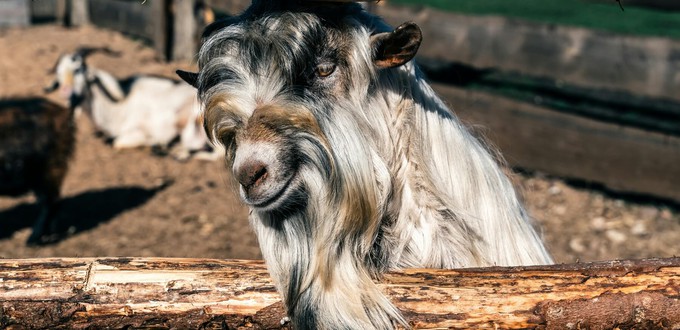
Cashmere is a soft natural fibre that comes from the undercoat of a specific breed of goats.
It started being used in the Indian region of Kashmir in the 13th century, and now these goats are mainly bred in Mongolia, China, Iran, and Afghanistan.
It’s considered a premium fabric, especially because it takes 4-8 goats to make one cashmere sweater.
Is cashmere ethical and eco-friendly, though?
Cashmere sustainability & ethical considerations
Sustainable and ethical pros of cashmere
- Natural fabric – Unlike more common synthetic options, it doesn’t come from fossil fuels, nor does it shed microplastics when washed
- Biodegradable and recyclable – Great news for its end of life!
- Extremely durable – If cared for properly, cashmere clothes can easily last +10 years and +200 wears. This helps reduce both overconsumption and waste
- Fewer washes – Like wool, cashmere doesn’t need to be washed as often, which saves water and energy
- Ethical cashmere (although it’s rarer) – Cashmere goats can be bred in a way that prioritises their welfare (for example, with proper care and hand-combing), fair labour, and environmental protection. Sadly, it’s not a given: it’s actually rare
Sustainable and ethical cons of cashmere
- Unethical treatment of goats – Most cashmere comes from countries with minimal or no laws to protect animals. So, combing is often carried out in an inhuman way, and some goats are slaughtered when their financial value decreases
- Overfarming – Due to higher demand, there are now larger goat populations, and this damages the land (especially due to overgrazing) and causes desertification. For example, 70% of Mongolia’s grazing lands are now considered degraded
- Climate change – From desertification to greenhouse gas emissions, overfarming contributes to climate change, too
- Labour concerns – Cashmere is an expensive fabric… and yet it often comes from herders and workers who struggle to earn stable incomes. For example, Loro Piano, which sells four-figure cashmere sweaters, was accused of outsourcing parts of their cashmere production to illegal factories where workers received as little as €4 per hour
- Low-quality cashmere – Fast fashion increased the demand for this premium fabric. To keep prices unsustainably low, though, it usually involves poorer-quality cashmere that isn’t as durable and is often mixed with synthetic fibres, losing its biodegradable properties
Is cashmere ethical?
Cashmere isn’t automatically ethical or unethical. Like most fabrics, it has lots of benefits and, at the same time, disadvantages from a sustainability and moral perspective, especially since animals are involved.
What makes the biggest difference is how a cashmere garment was made.

Things to consider to buy more ethical cashmere garments (and wear them more sustainably, too)
To help you make an informed decision:
- Is cashmere for you? – I’ll be upfront: it’s not the easiest fabric to care for. So, if you're notorious for shrinking your wool-mix sweaters, cashmere may be a step too far, and you wouldn’t be able to get as many wears out of it. If you’re prepared to wash it and look after it properly, however, it’s a great durable option
- Think of cashmere garments as an investment – These clothes are more expensive… and for good reason! Cheap cashmere hides an expensive cost, like unethical goat farming, underpaid workers, and lower-quality fabric that doesn’t last as long as it should. So, consider investing in fewer ethical cashmere garments (or even just one, especially to begin with) but really making the most of them by keeping them and wearing them for years. For example, choose one that goes with the items already in your wardrobe, so you can start creating lots of new outfits by pairing them up in different ways
- Choose ethical cashmere brands – As well as other eco-friendly options like second-hand and recycled cashmere, prioritise garments made sustainably and with care for both animals and workers. Look for transparency or certifications: does that brand tell you where their cashmere comes from and how it was produced? If they don’t, that’s a bad sign
- Care for your cashmere garments properly to help them last longer – That way, you’ll get to make the very most out of your investment and reduce your environmental footprint! Always check the instructions on the label, but just so you know what to expect:
- Washing a cashmere garment: Do so in lukewarm water for max 30 min with a gentle wool or cashmere detergent, turn it inside out and squeeze it to remove excess water (do not wring it!), reshape it to its original size, and then dry it flat over a towel
- Storing your cashmere garments: Store them inside out in a well-aired wardrobe, and consider keeping them inside a bag and/or using aromatic cedar blocks to keep them safe from moths
Finding ethical cashmere brands on Project Cece
On Project Cece, we bring hundreds of fairtrade brands in one place, with filters to simplify your choices. And of course, that includes some cashmere garments, too.
For each item, you can find out exactly what makes it eco-friendly and sustainable.
Finding ethical cashmere brands is now easier than ever!
_large.png)
Share our story
Related articles

Is Merino Wool Sustainable? (Avoid Our Costly Mistake)
Why is Merino wool so special? And is it more or less ethical than normal wool? Let’s find out! We’ll also show you how to take care of it properly.

Organic Wool: Can Wool Be Ethical & Sustainable?
Natural and biodegradable, it obviously involves livestock, so let’s figure out together whether or not we can consider wool and organic wool sustainable.

What Are the Most Sustainable Fabrics? Oh, Sew Eco-Friendly!
‘Natural’ doesn’t always = ‘eco-friendly’! So, here’s a simple list of the most sustainable fabrics, why they’re good for the planet, and how to find them.
Project Cece is a platform that collects ethical fashion from vetted brands and shops in one place. Browse ethical fashion for women and men and find items that fit your style, budget and values!


